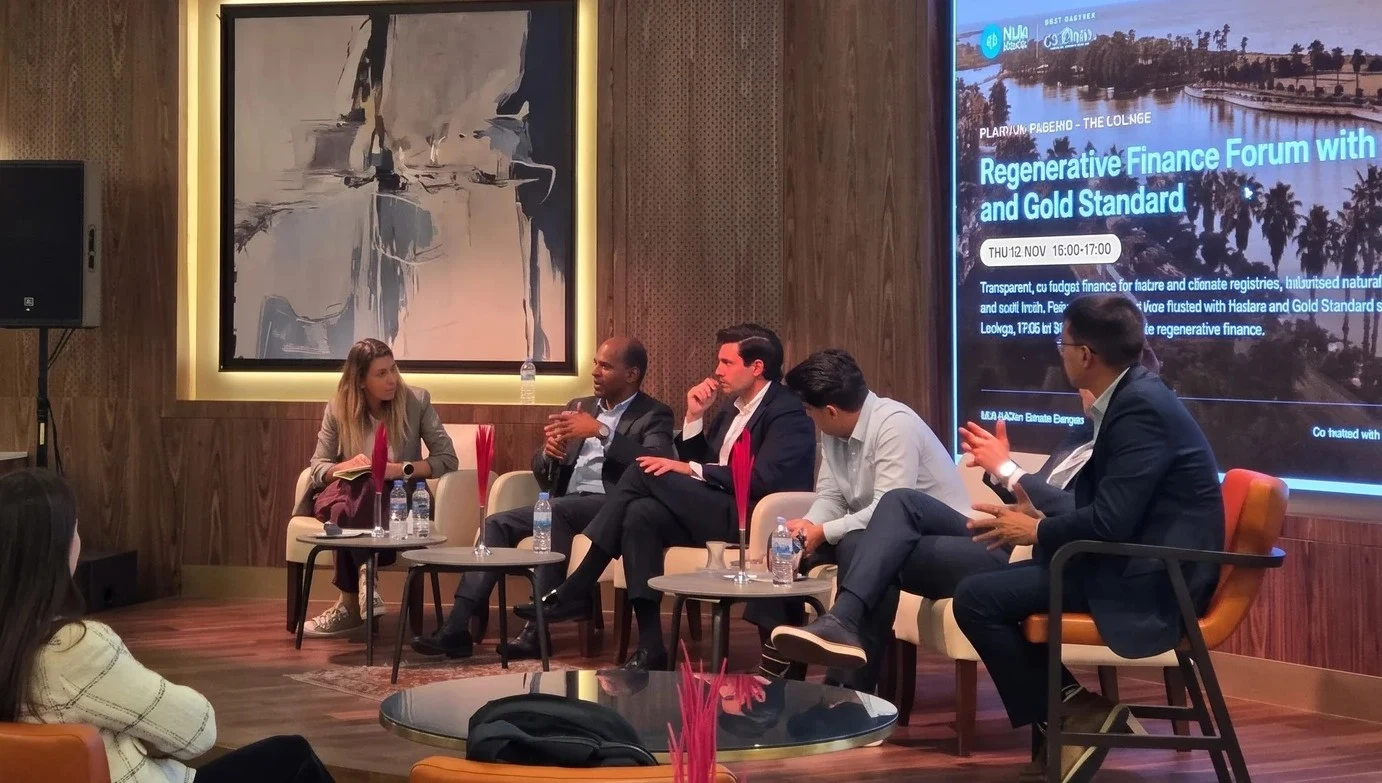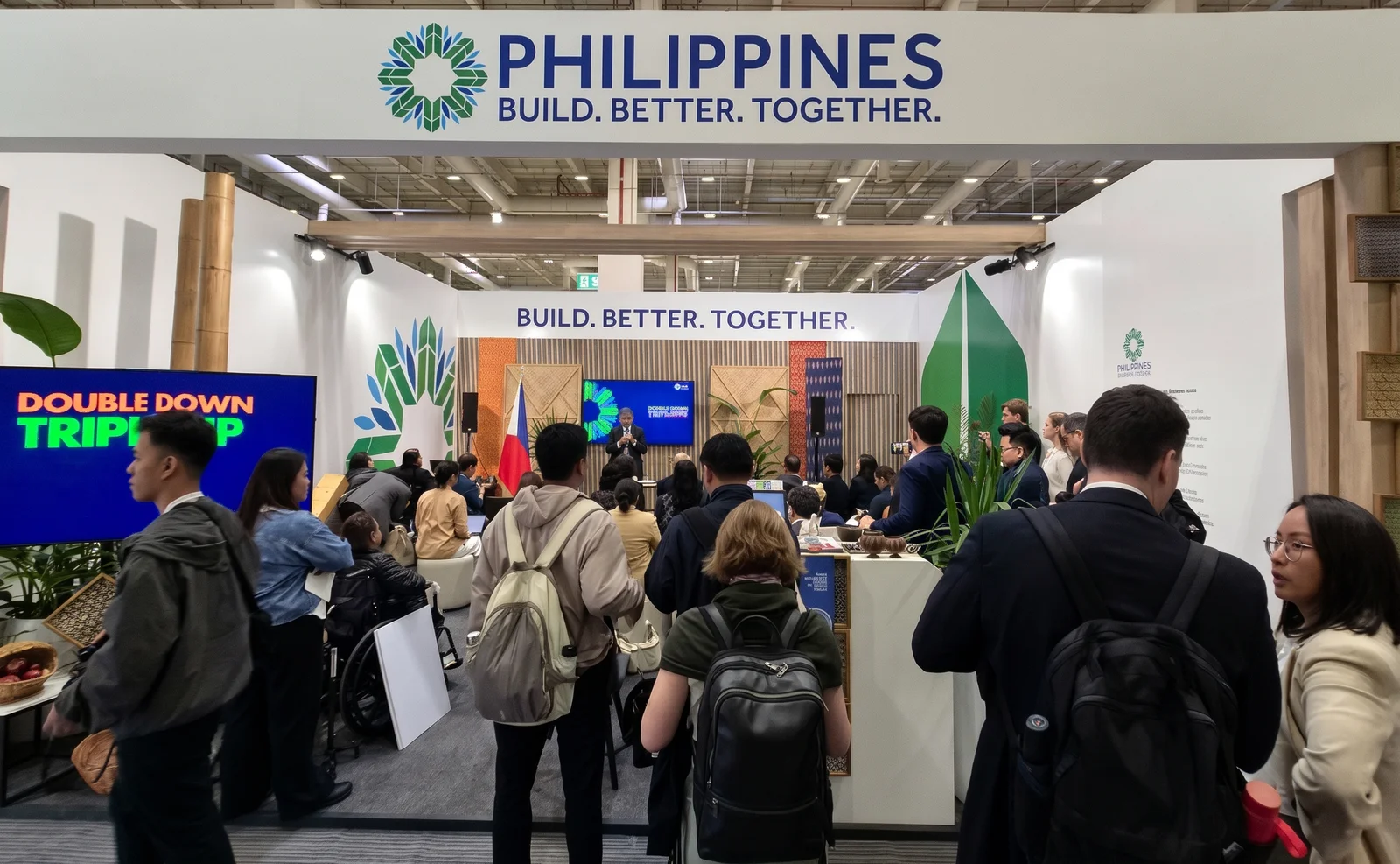
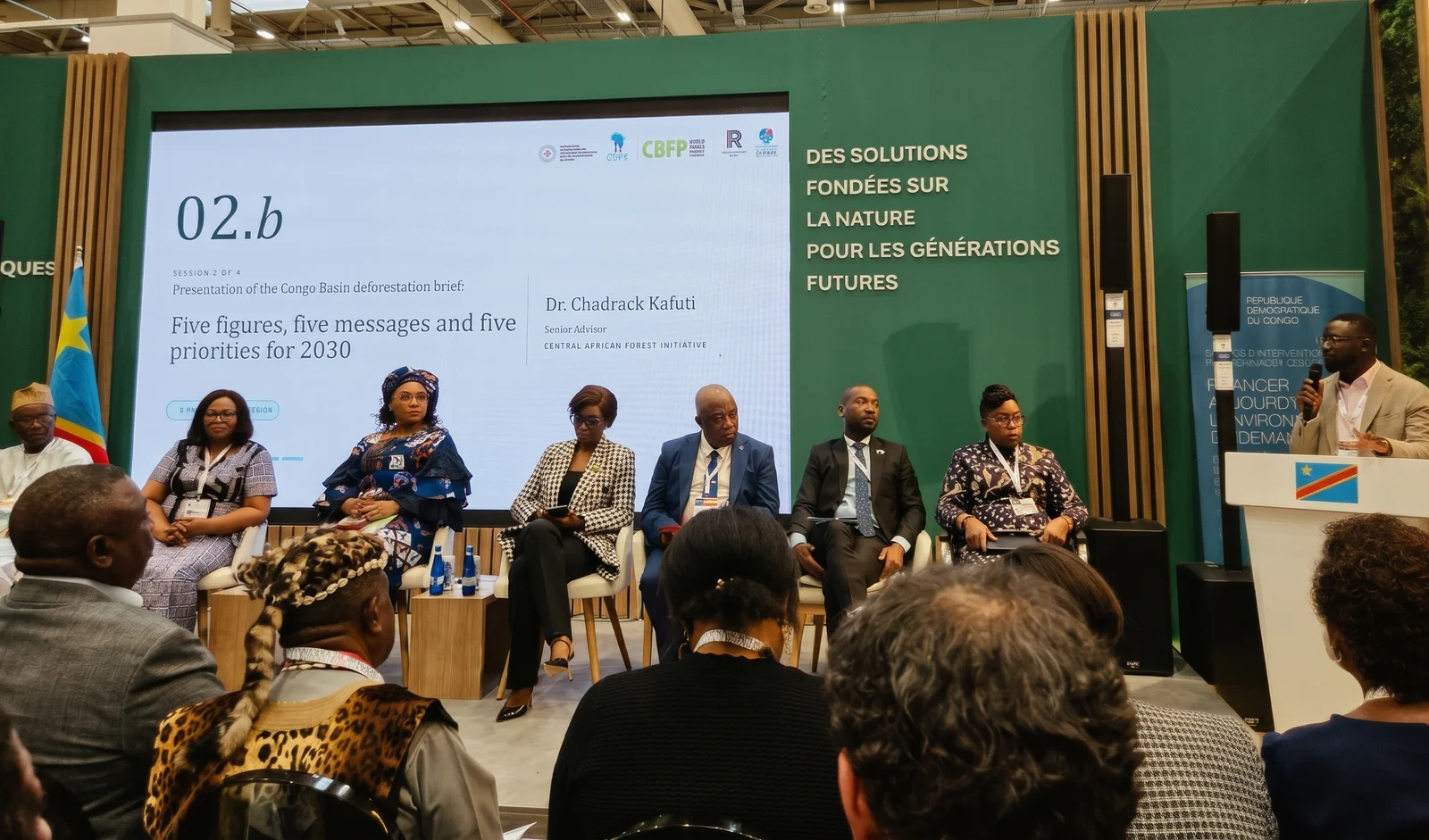
At COP31 in Antalya, ministers and leaders from across the Congo Basin came together to discuss how the region can protect one of the world’s most important tropical forest areas while creating stronger economic opportunities for the communities that depend on it.
A major focus was Payments for Environmental Services (PES), where climate and forest finance is linked directly to measurable and verified environmental outcomes. New national PES dashboards were also presented during the event, giving governments greater visibility into programme implementation and payments reaching communities.
Xeptagon supports this work through the CAFI PES Management Platform, which we designed, developed and continue to operate and maintain.
Digital Infrastructure for Performance-Based Climate Finance
The Central African Forest Initiative (CAFI) is a large multi-country climate and forest finance programme supporting six Central African countries.
As CAFI expands performance-based finance, the operational challenge is significant. PES programmes must manage beneficiaries, land parcels, contracts, field monitoring, verification records and payments across different countries, implementing partners and institutional structures.
The CAFI PES platform brings these processes into one governed digital environment.
- +
Beneficiary and organisation enrolment
- +
PES applications and eligibility assessment
- +
Digital contract management
- +
Land-parcel and geospatial information
- +
Field monitoring and geotagged evidence
- +
Environmental performance verification
- +
Payment calculation and approval
- +
Mobile and financial payment workflows
- +
Government and programme dashboards
- +
GIS-based monitoring and reporting
- +
Role-based access and audit trails
The objective is straightforward: create a traceable connection between an environmental commitment, the evidence used to verify it and the payment made against the result.
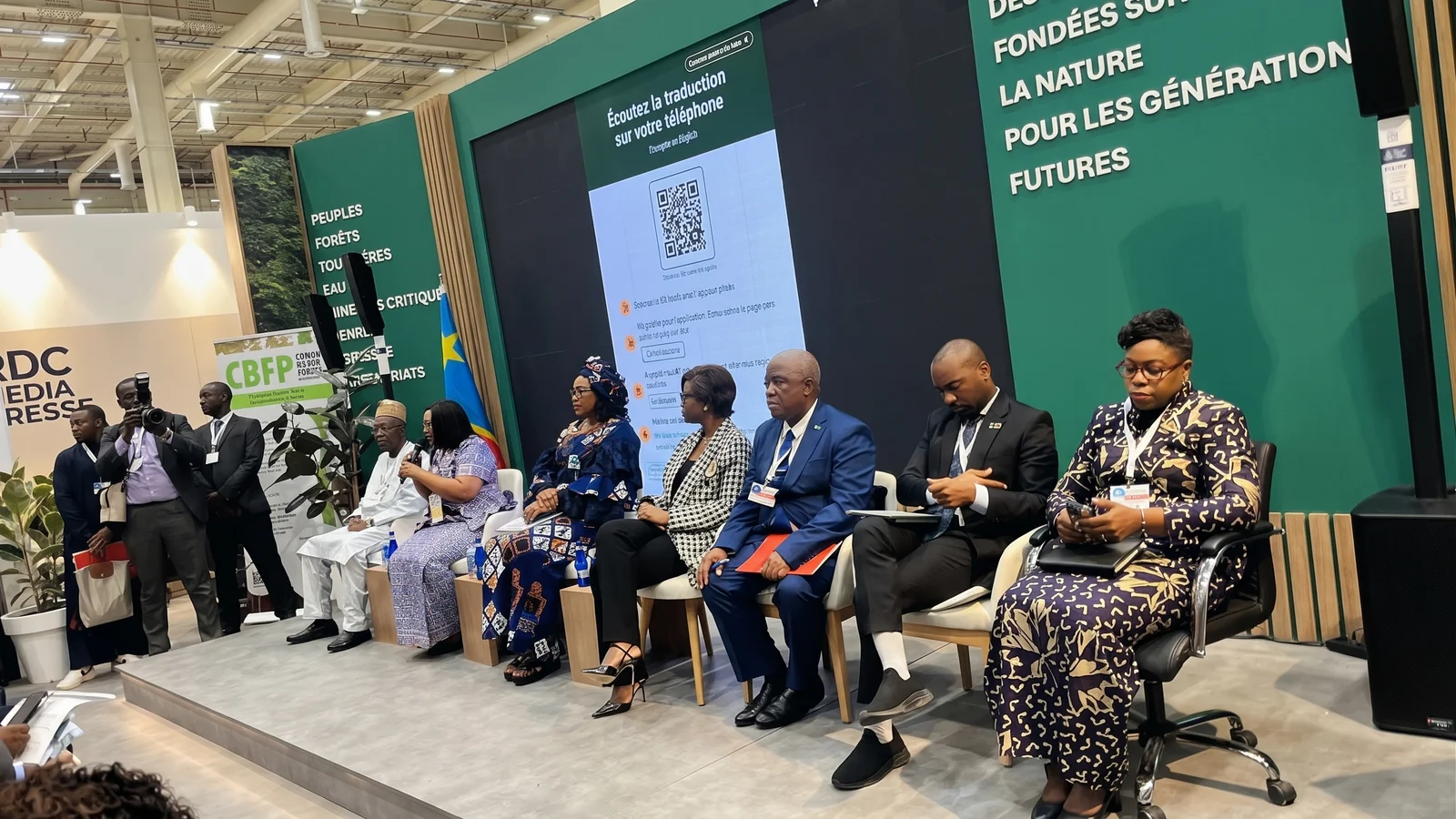
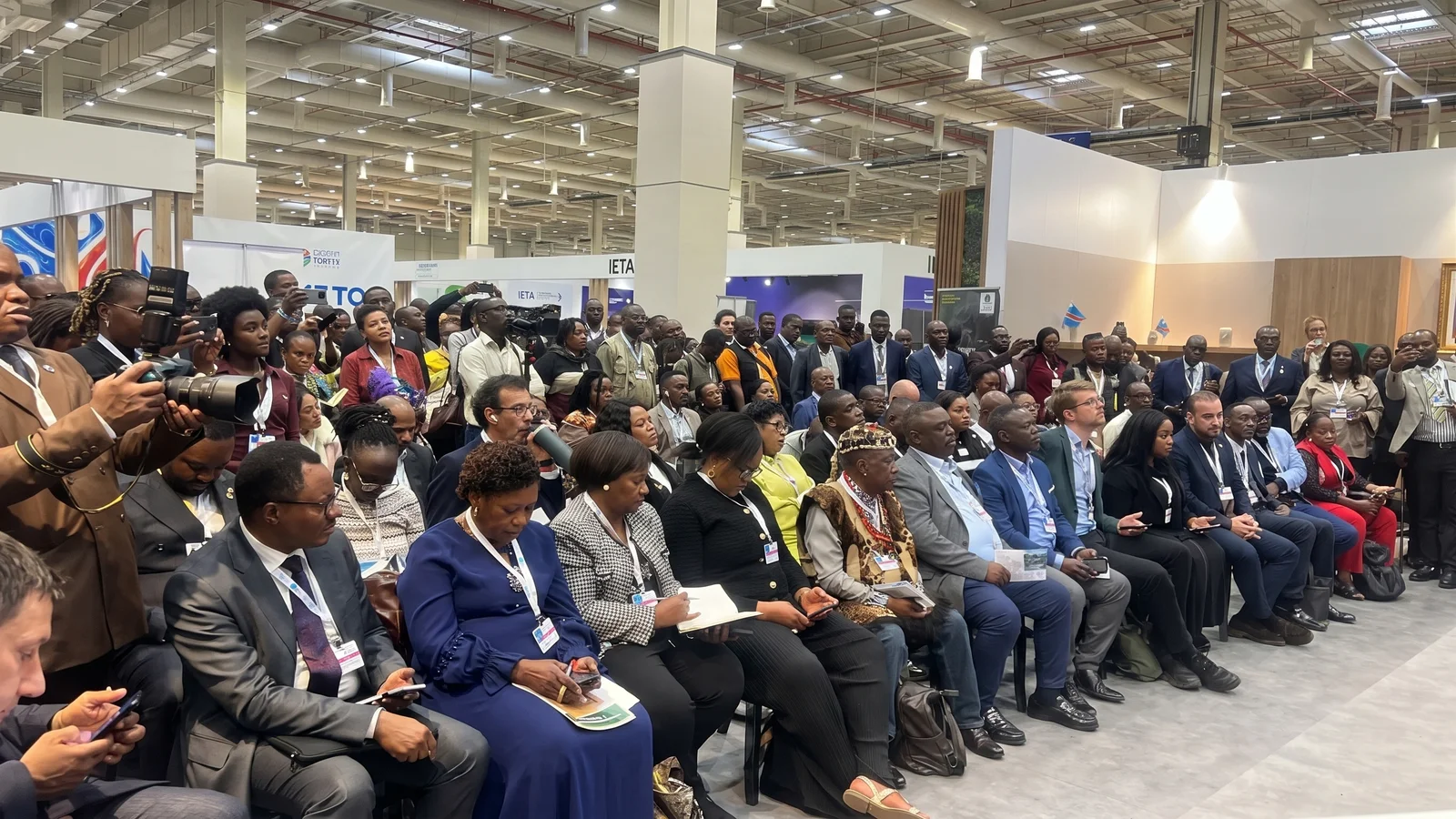
Congo Basin Leaders including Ministers from Democratic Republic of the Congo, Republic of the Congo, Gabon and the Central African Republic attending the CAFI event at COP 31, Antalya, Türkiye
Connecting MRV with Payments
Measurement, Reporting and Verification (MRV) is central to the PES model.
Beneficiaries may commit to activities such as sustainable agriculture, agroforestry, forest regeneration or conservation. Payments depend on the programme rules and on evidence that agreed activities or outcomes have been achieved.
Field teams can capture information digitally, including georeferenced evidence. Geospatial and remote-sensing information can complement field observations, while verification decisions and supporting records remain linked to the relevant contract and activity.
This gives programme administrators a clear view of what was agreed, what was monitored, what was verified and what was ultimately paid.
For climate-finance programmes, that traceability is important. It helps connect financial flows with documented environmental performance rather than treating monitoring and payments as separate processes.
Operating Across Multiple Countries
The platform is designed for a programme that must operate across different national contexts while maintaining consistent core processes.
Country teams can manage their own beneficiaries, contracts, monitoring activities and payment workflows, while programme-level users retain visibility across the wider portfolio.
This model supports both local implementation and regional oversight.
As programmes expand, digital infrastructure becomes increasingly important. Processes that may be manageable manually during a small pilot become difficult to coordinate when thousands of beneficiaries, large geographic areas and multiple implementing organisations are involved.
A common platform helps maintain consistent workflows, data structures and audit records as the programme scales.
From Field Evidence to Programme-Level Visibility
The PES platform is not limited to payment processing.
It also provides the data foundation for monitoring programme implementation across countries and projects. Information collected through field activities, contracts and verification processes can be reflected through dashboards and geospatial views, helping governments and programme teams understand progress and identify areas requiring attention.
For governments and development partners, the result is better visibility across both environmental activity and financial execution.
A Practical Example of Digital MRV at Scale
CAFI is a useful example of how digital MRV can support climate finance beyond carbon-credit issuance.
- +
Define the activity or outcome
- +
Establish the monitoring requirements
- +
Collect reliable evidence
- +
Apply verification and approval processes
- +
Link verified performance to finance
- +
Maintain a complete record for oversight and reporting
These capabilities are increasingly relevant to PES, forestry programmes, nature finance, carbon markets and other forms of results-based climate finance.
For Xeptagon, the CAFI work brings together several areas we have developed across other projects: digital MRV, configurable governance workflows, geospatial data, programme management and climate-finance infrastructure. Learn more about our digital MRV systems here.
COP31 and the Next Phase of Congo Basin Finance
The discussions at COP31 highlighted the need to move climate finance closer to measurable implementation and verified results.
For the Congo Basin, that means creating mechanisms that can support forest protection while ensuring that finance reaches the people and communities delivering environmental outcomes.
PES is one approach to doing this, but its credibility depends on the systems behind it.
Clear contracts, reliable monitoring, transparent verification and traceable payments are what allow performance-based programmes to operate at scale.
The CAFI PES platform provides part of that digital foundation, and we are pleased to continue supporting CAFI and its partner countries as these programmes expand across Central Africa.
See the CAFI PES platform among our case studies here, or contact us here.